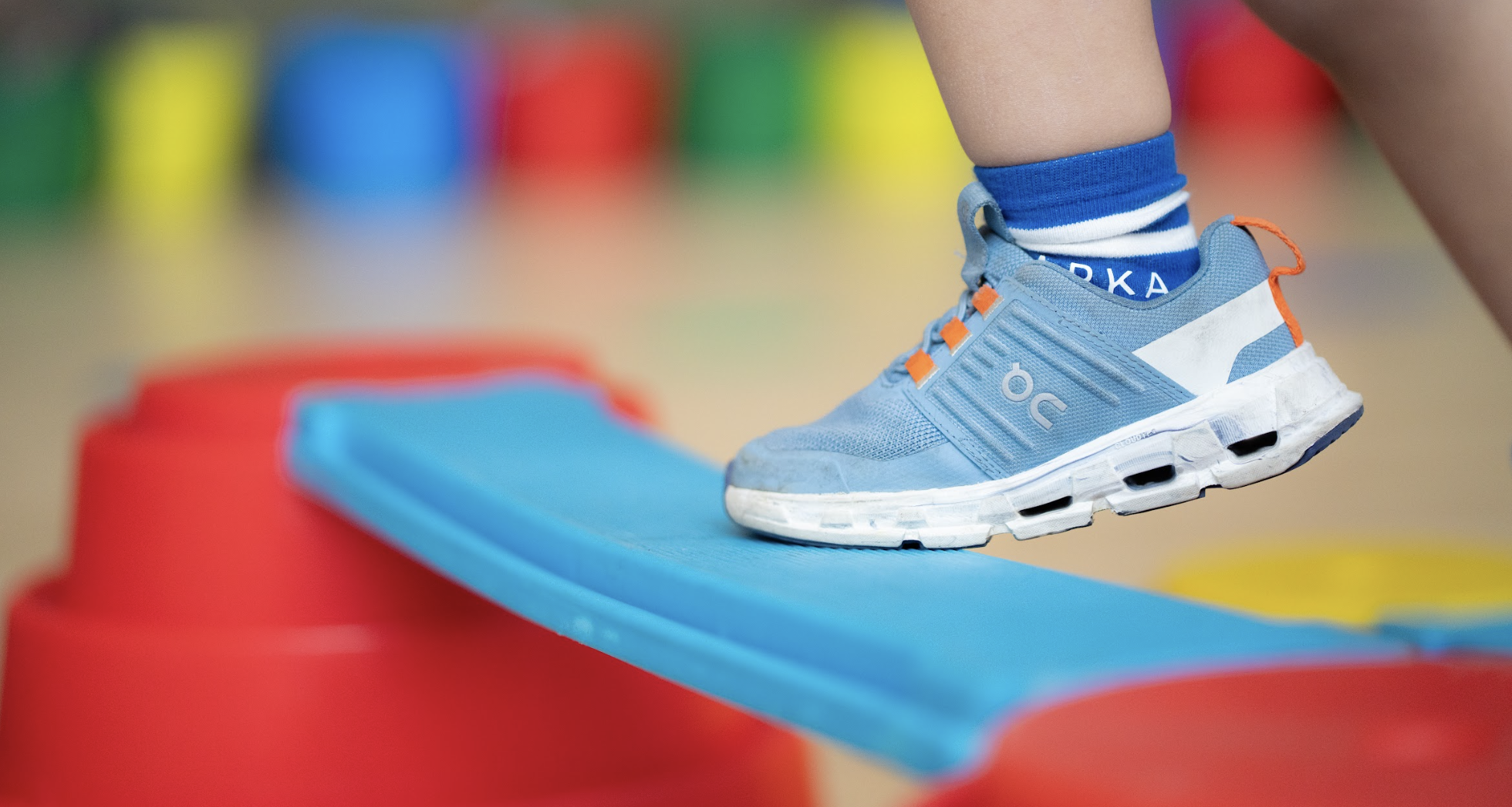
Every parent wants their child to walk into a room and feel like they belong there. That sense of belonging, the quiet confidence that lets a child raise their hand, join a game, or sit with someone new, does not come from a screen. It comes from moving, playing, falling over, getting back up, and doing it all again alongside other children.
Yet screens are filling more of the early years than ever before. Tablets at breakfast, cartoons in the car, phones at the restaurant table. The hours add up, and what gets squeezed out is the very thing young children need most: purposeful, physical movement that builds their bodies and their self-belief at the same time.
This looks at why exercise matters so much during the early years, what children lose when movement disappears from their routine, and how TARKA turns exercise for young children into something far more purposeful than simply keeping them busy.
Key Takeaways: Exercise for Young Children in a Screen-Filled World
- Young children need at least 180 minutes of physical activity each day for healthy physical and cognitive growth.
- Excessive screen time during the early years is linked to delays in motor skill development and reduced social interaction.
- Movement builds emotional resilience by giving children repeated, low-stakes opportunities to manage frustration and recover from setbacks.
- TARKA’s developmental exercise programmes are designed to build physical, emotional, and social skills through structured, purposeful movement.
- Choosing movement-based programmes with clear developmental goals gives children benefits that passive entertainment cannot deliver.
How Screen-Filled Days Are Changing Early Childhood
Screen-filled routines are changing how young children spend their time. When a child spends an hour watching a cartoon, that hour is no longer available for crawling, chasing, balancing, and building the physical foundations young bodies need.
What Young Children Miss When Movement Is Replaced by Screens
When movement drops out of a child’s routine, the effects are broader than most parents expect. Gross motor skills, coordination, hand-eye tracking, and spatial awareness all depend on regular physical play.
A 2025 systematic review in Pediatric Discovery analysed 24 studies on children aged 0 to 7 and found that 17 reported a significant negative correlation between screen time and motor development. Less movement also means fewer opportunities to practise turn-taking, teamwork, and social confidence with other children.
Why This Matters So Much in the Early Years
The NHS recommends that children under five get at least 180 minutes of physical activity every day, including at least 60 minutes of moderate-to-vigorous movement for children aged three and four.
These guidelines matter because the early years are when foundational movement patterns, neural pathways, and social habits are established. A child who moves regularly builds a physical vocabulary that supports everything from handwriting to sitting still in a classroom.
Why Exercise Supports the Whole Child
Exercise in the early years supports more than physical health. Movement is a developmental tool that helps build the child from the inside out across physical confidence, emotional resilience, and social capability.
How Movement Builds Physical Confidence
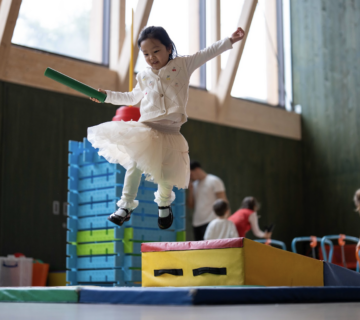
When a child learns to climb, balance, catch, or jump, they are not just strengthening muscles. They are building physical confidence through repetition and gentle challenge.
Watch a child move through a term of structured exercise sessions and you will notice the change is cumulative. The child who hesitated at the start is now first to try, and that willingness often carries beyond the session itself.
How Movement Builds Emotional Resilience
Movement helps children build emotional resilience by giving them safe chances to struggle, recover, and try again. Through structured games, children learn that a wobble is not the end of the world.
That lesson is built through experience and carries into the classroom, friendships, and everyday life.
How Movement Builds Social Skills
Group exercise helps children develop social skills through repeated practice. Children learn to listen, cooperate, wait their turn, and work as part of a team. Communication, respect, and independence are built into the activity itself, session by session.
Why Children Learn Best When Movement Has a Purpose
Purposeful movement gives physical activity a developmental job to do. Running around a park is valuable, but it is different from a session where every game, drill, and piece of music has been chosen to build a specific skill such as coordination, teamwork, communication, or resilience.
How TARKA Turns Movement into Developmental Learning
At TARKA, this is the whole point. Every class, holiday camp, and birthday party is designed around a clear developmental framework that builds children’s physical, emotional, and social skills together.
TARKA’s approach is rooted in Scandinavian early years education research and grounded in military values: respect, confidence, independence, and teamwork. TARKA’s instructors are trained to notice the child who needs encouragement, the child who needs greater challenge, and the child who needs to be seen trying.
Why This Goes Beyond Keeping Children Busy
Purposeful movement gives children more than an active hour. It gives them repeated opportunities to feel proud, included, and capable. That internal shift is what many parents notice first.
A shy child who hangs back in week one may be leading a warm-up by week six. That kind of confidence does not arrive overnight. It is built, session by session, in an environment where the child feels safe to try and supported when they stumble.
How TARKA Helps Families Respond to Screen-Filled Routines
TARKA helps families respond to screen-filled routines by replacing passive time with purposeful movement. Many parents are not simply looking to switch off a tablet. They are looking for something active, developmental, and worth building into the week.
What Purposeful Classes and Holiday Camps Give Children
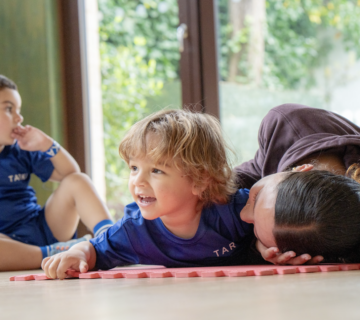
TARKA’s term-time classes run across multiple London locations for children from 18 months to 7 years. Recruits classes focus on fine and gross motor skills, hand-eye coordination, and early communication. Troopers classes prioritise learning through movement and exercise while developing social, physical, and emotional skills.
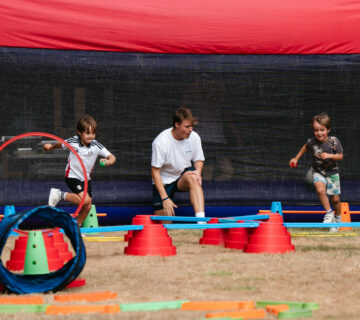
TARKA’s holiday camps give children extended time to stretch, run, jump, and crawl through guided sessions that strengthen core muscles and whole-body coordination.
Why Parents Are Looking for More Than Screen-Free Time
Parents are often looking for more than a screen-free hour. They want something with substance that carries into school, friendships, and daily life.
TARKA gives families that kind of purposeful option through programmes designed to help children move more, learn through movement, and build healthier habits.
What to Look for in a Movement-Based Programme for Young Children
A strong movement-based programme should do more than fill time. It should give children age-appropriate challenges, clear guidance, and activities with a developmental purpose.
What Separates Purposeful Movement from Passive Entertainment
Look for programmes where instructors can explain not only what children are doing, but why. That means sessions built around physical, emotional, and social goals that progress as children grow.
It also means an environment that is structured but warm. Children should be encouraged to try rather than pressured to perform. Programmes with this balance help children build skills that carry into everyday life.
In Conclusion: Why Movement Matters and How TARKA Helps
Movement matters because it helps young children build confidence, resilience, and social ease from the very start. In a world where screens can easily fill the day, giving children purposeful opportunities to move matters more than ever.
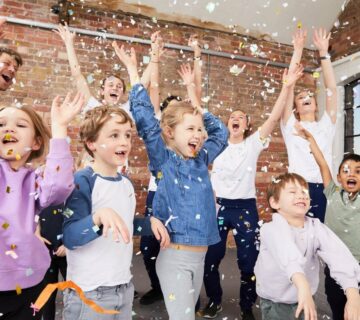
That is what TARKA is built to do. Explore TARKA’s holiday camps, term-time classes, and birthday parties to see how children can learn through movement.